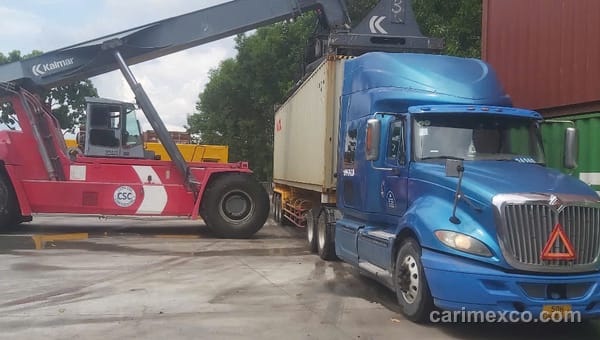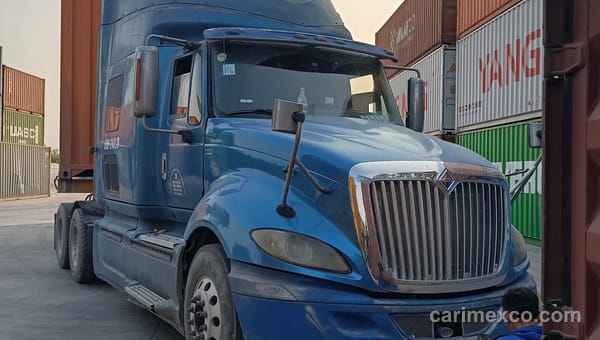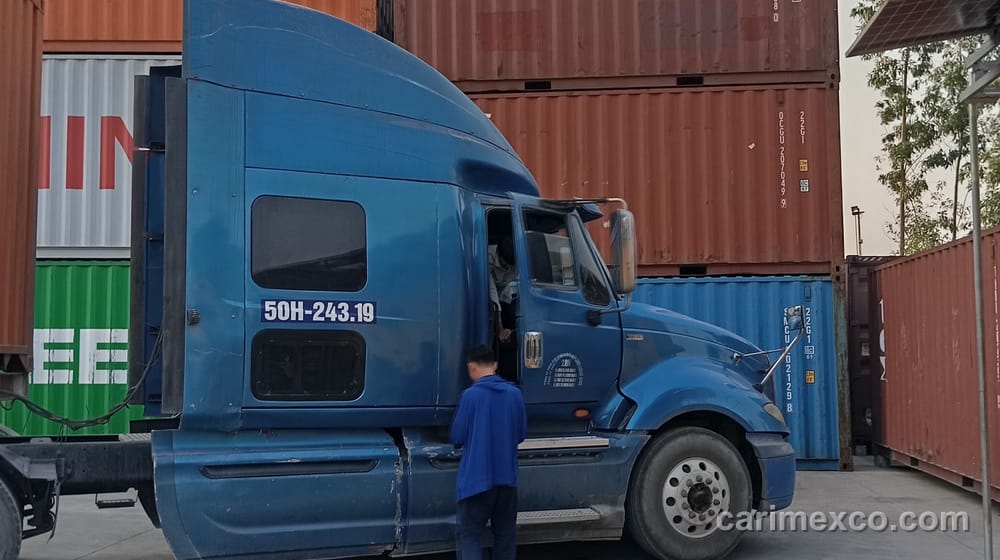
On a container transport invoice, the three lines accountants most often query are truck waiting charges, truck holding charges and storage charges. All three arise because the container was not released on time, but they are charged by three different parties, in three different units, and are prevented in different ways. This article separates each charge and sums up what the receiving warehouse can do to avoid paying them.
1 The Three Charges Side by Side
| Charge | Arises when | Charged per | Charged by |
|---|---|---|---|
| Truck waiting charge | The truck waits at the warehouse or factory beyond the free hours for stuffing or unloading | Hour | Transport company |
| Truck holding charge (trailer drop, overnight) | The container and trailer are left at the warehouse overnight or for several days to unload gradually, while the tractor leaves | Night or day | Transport company |
| Storage charge | The container stays at the port, depot or an off-port yard beyond the free days | Day, usually rising in tiers | Port, depot or yard operator |
All three differ from the shipping line's DEM and DET — charged for keeping the line's equipment beyond free time, running in parallel with and independently of the charges above. A container unloaded slowly can incur the haulier's holding charge and the shipping line's DET at the same time; how DEM and DET work is explained in DEM, DET, Storage and free time.
2 How Truck Waiting Charges Are Calculated
Trucking quotes usually include some free waiting hours at the stuffing or unloading point — commonly about 2 hours, sometimes more under long-term contracts. Beyond that, waiting is charged per hour or per block of hours. Market reference figures are in how container trucking rates are calculated.
Three details to agree before the haul, as they are the main source of disputes:
- When the clock starts — when the truck reaches the warehouse gate, or when it is let into the loading position?
- Who records the time — the warehouse gate log, the truck's GPS data, or signatures on the delivery record?
- What caused the wait — if the warehouse is not ready the cargo owner pays; if the truck arrives late for its appointment it is not charged.
3 When to Drop the Trailer Instead of Keeping the Truck Waiting
When the cargo cannot be unloaded in one day — for example loose-loaded cargo or many mixed packages — keeping the truck waiting all day is usually more expensive than leaving the container on the trailer overnight. The haulier sends the tractor on another job and comes back for the box later. This makes sense when:
- The warehouse has safe trailer parking and access for the tractor to come back.
- Expected unloading time is more than half a day.
- There is enough DET free time left with the shipping line — since the box is still not returned while unloading gradually.
If neither warehouse space nor free time is left, the better option is to take the container to an off-port yard, unload into temporary storage and return the empty immediately.
4 Storage Charges: Port, Depot and Off-Port Yard
Storage charges depend on where the container is. At the port it is the port's charge — at Cat Lai it appears as a lift-on surcharge based on storage days. At a shipping line depot, storage of empties is usually covered by the DET mechanism. At an off-port yard, storage is agreed with the yard operator based on container size, laden or empty, and duration — the pricing basis of the Nhon Trach container yard is set out on its service page.
Off-port storage only pays off when it replaces a more expensive charge: port storage that rises sharply after a few days, or prolonged truck waiting because the warehouse cannot receive in time.
5 Six Ways to Limit Waiting and Storage Charges
- Schedule truck arrivals to the warehouse's real handling capacity, rather than bunching many containers into the same time slot.
- Have labour, forklifts and space ready before the truck arrives; say in advance if seal checks, tallying or photos are needed.
- Agree free waiting hours that fit the cargo — loose packages need more time than palletised cargo; write it into the quote.
- Drop the trailer instead of keeping the truck waiting when the cargo cannot be unloaded within the day.
- Time the port pickup close to when the warehouse is ready, rather than taking the container out of the port and leaving the truck waiting at the warehouse.
- Record in and out times at the warehouse to check invoices — a haulier with GPS tracking also makes reconciliation quick.
CARIMEX has truck parking and a container yard right in Nhon Trach, so when the warehouse cannot receive in time we can drop the trailer, move the box to the yard or unload at the yard — choosing the cheapest option for each case. See our Nhon Trach container trucking service or call +84 933 968 988.